Water on the floor is alarming, but the source is usually one of a handful of parts. The key is to identify where the leak appears — front, bottom, or back — before anything else.
Common causes of a washing machine leak
- Loose or worn inlet/drain hoses — connections at the back loosen over time or perish.
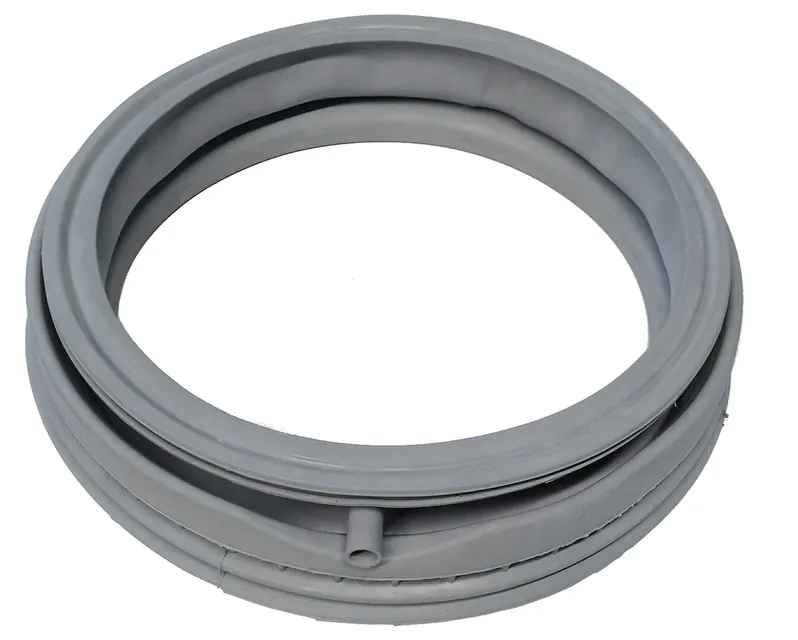
- Damaged door seal (gasket) — on front-loaders, mould, tears, or trapped debris in the rubber boot cause front leaks.
- Too much detergent — excess suds overflow through the detergent drawer. A very common, harmless cause.
- Clogged detergent drawer — caked powder forces water back out.
- Cracked tub or worn pump seal — bottom leaks; needs a technician.
What you can safely check yourself
- Identify the leak point — run a short cycle and watch whether water appears at the front (door), back (hoses), or underneath (tub/pump).
- Tighten hose connections at the back and check for cracks or perished rubber.
- Clean the door seal — wipe the rubber boot, remove trapped coins/debris, and check for tears.
- Reduce detergent — use the recommended amount; modern machines need far less than people assume.
- Clean the detergent drawer thoroughly.
Our technicians repair all brands across Bangalore with same-day doorstep service and transparent pricing from ₹350.
When to call a technician
Leaks from underneath the machine usually mean a failed pump seal, split internal hose, or cracked tub — these require opening the machine. A torn door gasket also needs professional replacement to seal correctly.
Door-seal and gasket leaks are common on Bosch and LG front-loaders — we replace them with genuine parts across Bangalore.
Find the leak by location
Water leaking from the front of the machine
On a front-loader this almost always points to the door seal. Pull back the rubber gasket and check for trapped coins, hair grips or tears in the folds. A perished or split gasket leaks only during the wash, which is why the puddle appears mid-cycle and not when the machine is idle.
Water pooling underneath the machine
A leak that appears under the centre of the machine is usually internal — the drain pump housing, the sump hose, or the tub seal. Pull the machine out and look for drip trails. Water tracking down the back panel points to a hose connection rather than the tub.
Leaking from the detergent drawer
Overflow at the drawer is generally a blockage rather than a fault. Detergent residue builds up in the dispenser channels and forces water back out of the front. Remove the drawer, wash it under a hot tap and clear the housing behind it.
Leaking only during fill or only during drain
Timing narrows it down considerably. A leak while filling points to the inlet hose or valve; a leak while draining points to the drain hose, pump or its housing. Note when the water appears before calling — it saves diagnostic time.
Typical repair cost in Bangalore
Replacing an inlet or drain hose is a minor job. Door gasket replacement is a middling one, and tub seal or bearing-related leaks sit at the top of the range since the machine must be partly dismantled. Diagnosis is ₹200–450 (depending on machine type) and is adjusted into the bill if you go ahead.